

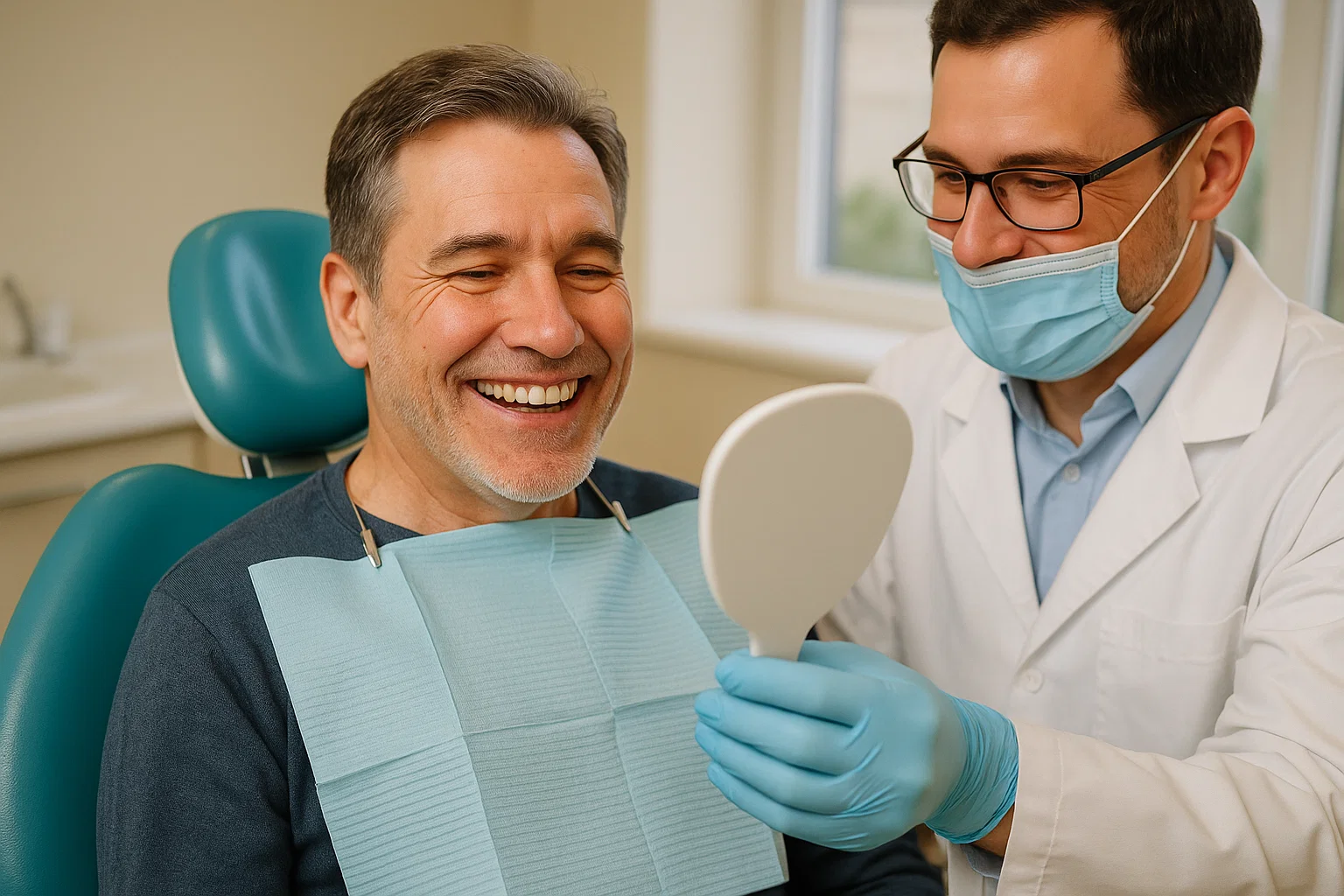
A healthy smile is more than just an aesthetic feature—it plays a vital role in chewing, speaking, and overall confidence. But when multiple dental problems accumulate over time, such as severe tooth decay, missing teeth, bite problems, or advanced oral health issues, routine dental treatments may not be enough. This is where Full Mouth Rehabilitation (also called full mouth reconstruction) comes into play. It is a comprehensive treatment plan that restores not just your teeth but also the function, harmony, and beauty of your smile.
In this blog, we’ll walk you through what Full Mouth Rehabilitation is, who needs it, and what you can expect from the process.
What is Full Mouth Rehabilitation?
Full Mouth Rehabilitation refers to the process of rebuilding or restoring all the teeth in both the upper and lower jaws. It combines restorative, cosmetic, and sometimes surgical dentistry techniques to improve both functionality and aesthetics. Dentists may use crowns, bridges, implants, veneers, or dentures as part of the treatment.
This is different from routine dental care or single-tooth restoration because it focuses on the entire mouth, ensuring that chewing efficiency, bite alignment, and appearance are corrected simultaneously. In short, it is a customized full mouth reconstruction designed to give you a strong, healthy, and confident smile.
Who Needs Full Mouth Rehabilitation?
You may be a candidate for Full Mouth Rehabilitation if you are dealing with multiple or complex dental issues. Some of the most common conditions include:
- Severe tooth decay affecting several teeth.
- Multiple missing teeth leading to difficulty in chewing and changes in facial structure.
- Long-term damage caused by bruxism (teeth grinding).
- Extensive wear and tear of teeth due to acidic foods, poor oral health, or age.
- Chronic gum disease that has compromised the stability of teeth.
- Bite alignment problems that cause pain or jaw discomfort.
- Patients who have experienced trauma or accidents leading to extensive dental damage.
If you face one or more of these challenges, a carefully planned full mouth reconstruction can restore both function and aesthetics.
The Treatment Process: What to Expect
Every Full Mouth Rehabilitation is highly personalized, but here’s a general outline of what the process involves:
1. Comprehensive Evaluation
Your dentist will conduct a thorough assessment of your teeth, gums, bite, jaw joints, and overall oral condition. X-rays, digital scans, or impressions may be taken to design a suitable plan.
2. Treatment Planning
Based on your oral condition, your dentist will create a step-by-step plan. This plan may include a combination of restorative treatments (like crowns or bridges), replacement options for missing teeth, and cosmetic procedures for smile enhancement.
3. Restorative Procedures
Procedures such as root canals, fillings, or gum treatments are done first to eliminate existing oral health issues before beginning the reconstruction.
4. Rebuilding and Alignment
This may involve placement of crowns, bridges, veneers, or implants. Orthodontic treatment may also be recommended to align your bite.
5. Aesthetic Enhancement
Once the foundation is strong, cosmetic procedures are added to give your smile a natural and pleasing appearance.
6. Follow-ups and Maintenance
Regular check-ups are scheduled to ensure long-term results and maintain overall oral health.
Benefits of Full Mouth Rehabilitation
Choosing Full Mouth Rehabilitation offers several life-changing benefits, such as:
- Restored ability to chew and enjoy food without discomfort.
- Improved speech clarity.
- Replacement of missing teeth with durable, natural-looking alternatives.
- Relief from pain and discomfort caused by bite misalignment or jaw strain.
- Enhanced appearance with a healthier, more confident smile.
- Prevention of further oral health issues through a comprehensive approach.
FAQs About Full Mouth Rehabilitation
Is full mouth reconstruction painful?
Modern techniques, anesthesia, and sedation dentistry make the procedure comfortable. You may feel mild discomfort initially, but recovery is generally smooth.
How long does the process take?
It depends on the complexity of your case. Some treatments may finish within a few weeks, while others with implants or orthodontics may take several months.
Is it expensive?
The cost varies depending on the procedures involved. While it is an investment, the long-term benefits for oral health, appearance, and quality of life make it worthwhile.
Conclusion
Full Mouth Rehabilitation is not just about restoring teeth—it’s about regaining function, confidence, and quality of life. Whether you are struggling with tooth decay, multiple oral health issues, or missing teeth, a carefully planned full mouth reconstruction can completely transform your smile.
Why Choose Us?
At Dental Perfection, we are committed to delivering exceptional dental care with precision, compassion, and a smile. Our clinic combines advanced technology with expert hands to provide comprehensive dental solutions—from routine check-ups and cleanings to cosmetic dentistry, implants, and smile makeovers. With a strong focus on patient comfort and long-term oral health, we create personalized treatment plans that cater to your unique needs. Experience a warm, hygienic, and professional environment where your perfect smile is our top priority. To learn more, contact us at 9152000131 or visit www.dentalperfection.in