

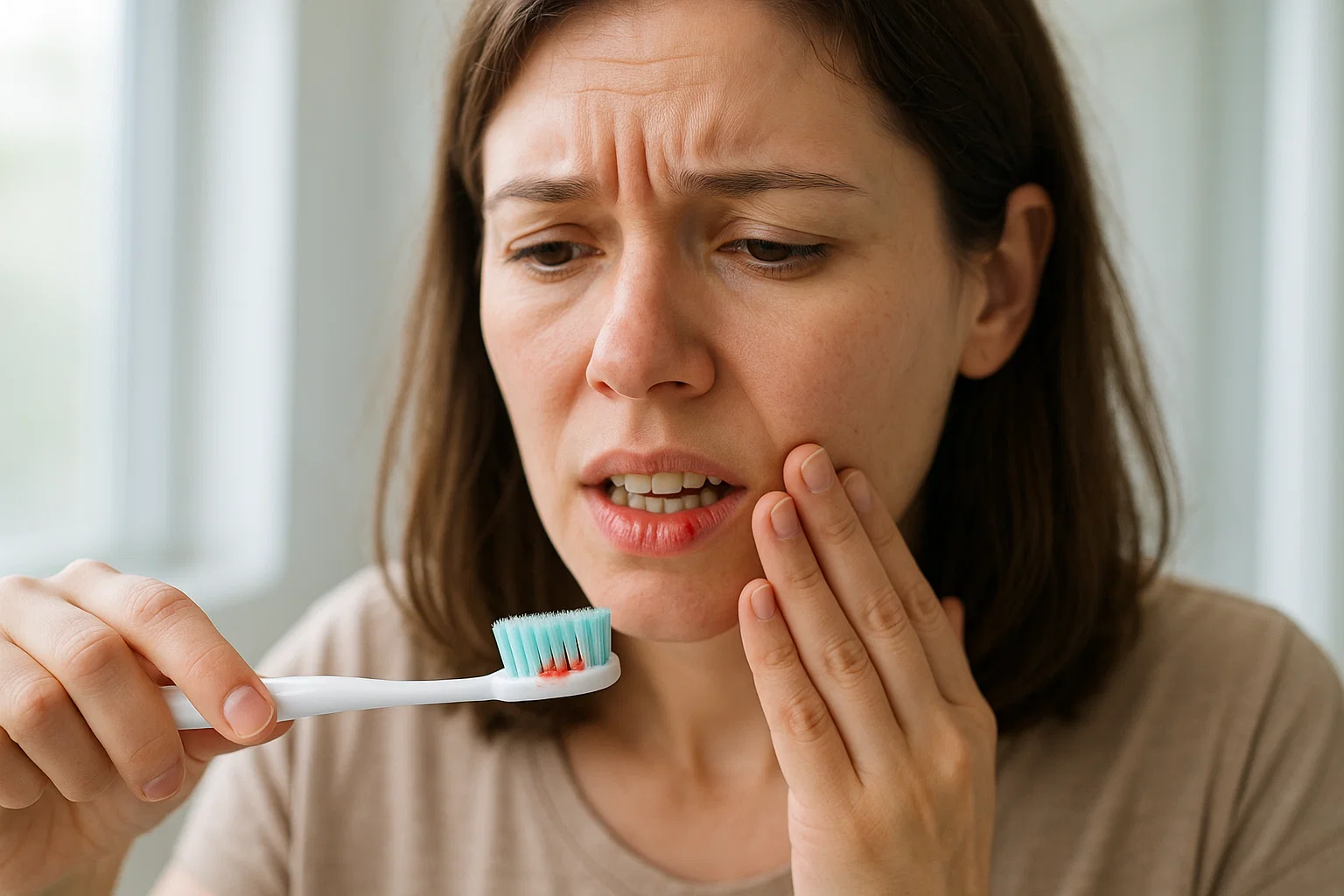
Many people notice a little blood while brushing or flossing and dismiss it as “normal.” The truth is, bleeding gums are not something to ignore. They are often the body’s way of signaling underlying oral health issues that need attention. Left untreated, these problems can lead to gum disease, infections, and even tooth loss. Understanding the reasons for bleeding gums and seeking timely care is essential for maintaining a healthy smile.
Common Reasons for Bleeding Gums
There are several possible reasons for bleeding gums, ranging from simple habits to serious dental conditions:
- Poor Oral Hygiene – Inadequate brushing or irregular flossing allows plaque buildup, which irritates the gums.
- Gingivitis – This is the earliest stage of gum disease, where gums become inflamed, tender, and prone to bleeding.
- Periodontitis – Advanced gum disease can damage soft tissue and bone, leading to persistent bleeding gums.
- Vitamin Deficiency – Lack of Vitamin C or Vitamin K is among the lesser-known bleeding gums causes.
- Hormonal Changes – Pregnancy, menopause, and hormonal fluctuations can make gums more sensitive.
- Medical Conditions – Diabetes, blood clotting disorders, or certain medications may increase gum bleeding.
Identifying the exact reason for bleeding gums requires professional evaluation, as home remedies alone may not be enough.
Why You Shouldn’t Ignore Bleeding Gums
While occasional bleeding might seem harmless, persistent gum bleeding is often a sign of deeper problems. Ignoring it can:
- Progress to severe gum disease and bone loss
- Cause bad breath and discomfort
- Lead to loose or missing teeth
- Increase risk of systemic issues like heart disease and diabetes (as research links gum health to overall health)
Your gums are a vital part of your oral health. Treating gum problems early prevents complications and protects your smile.
Effective Bleeding Gums Treatment
The best bleeding gums treatment depends on the underlying cause. A dentist may recommend:
- Professional cleaning to remove plaque and tartar buildup
- Antibacterial mouth rinses or medicated gels
- Scaling and root planing for advanced gum disease
- Nutritional supplements for vitamin deficiencies
- Personalized oral care routines, including proper brushing and flossing techniques
Regular dental visits are key to ensuring that bleeding gums treatment is effective and long-lasting.
Preventing Bleeding Gums
Prevention is always better than cure. A few daily practices can help keep your gums healthy:
- Brush twice daily with a soft-bristled toothbrush
- Floss at least once a day to clean between teeth
- Use a dentist-recommended mouthwash
- Eat a balanced diet rich in vitamins and minerals
- Avoid smoking and tobacco products
- Visit your dentist twice a year for routine check-ups
By adopting these simple habits, you can reduce the chances of gum inflammation and prevent recurring bleeding gums.
FAQs About Bleeding Gums
Are bleeding gums always a sign of gum disease?
Not always. While gum disease is one of the leading bleeding gums causes, factors like aggressive brushing, new flossing routines, or vitamin deficiencies can also trigger gum bleeding.
Can home remedies stop bleeding gums?
Home remedies such as warm saltwater rinses may temporarily reduce discomfort, but they cannot replace professional care. If bleeding persists, you should consult a dentist for proper bleeding gums treatment.
When should I see a dentist for bleeding gums?
If your gums bleed frequently or you notice swelling, pain, or bad breath, schedule a dental visit right away. Early intervention can prevent gum disease from progressing.
Conclusion: Why Choose Us?
At Dental Perfection, we are committed to delivering exceptional dental care with precision, compassion, and a smile. Our clinic combines advanced technology with expert hands to provide comprehensive dental solutions—from routine check-ups and cleanings to cosmetic dentistry, implants, and smile makeovers. With a strong focus on patient comfort and long-term oral health, we create personalized treatment plans that cater to your unique needs. Experience a warm, hygienic, and professional environment where your perfect smile is our top priority. To learn more, contact us at 9152000131 or visit www.dentalperfection.in